








【A-PAD Indonesia】 Relief Supplies Distributed in Heavy Rain-Affected Areas in North Sumatra Province
2026.03.13
From January to February 2026, A-PAD Indonesia conducted the following disaster relief activities in Central Tapanuli Regency, North Sumatra. This area sustained significant damage due to heavy rains in early December.
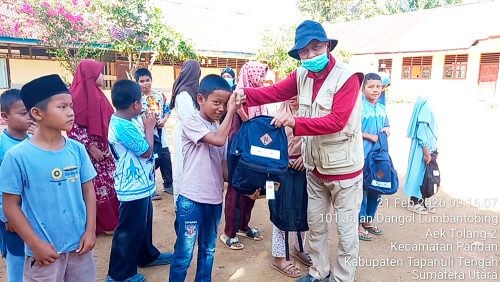
Activities:
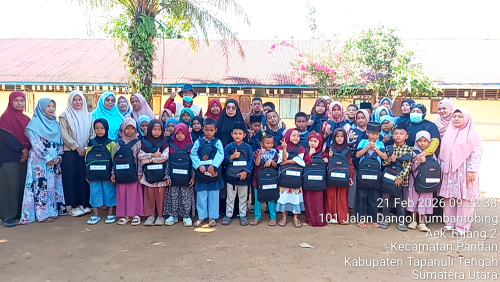
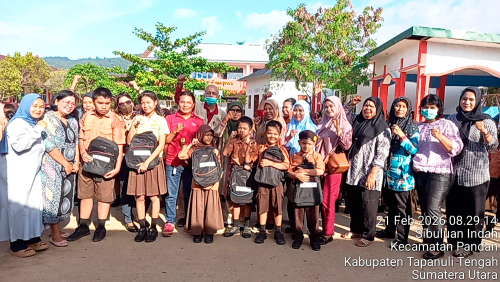
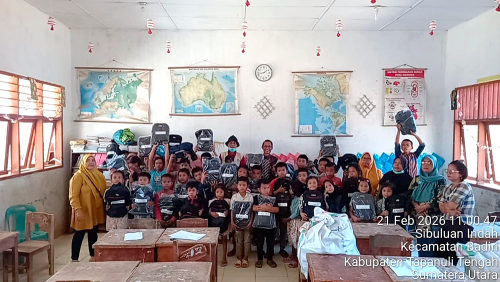
- School kits distributed to 893 students in three schools
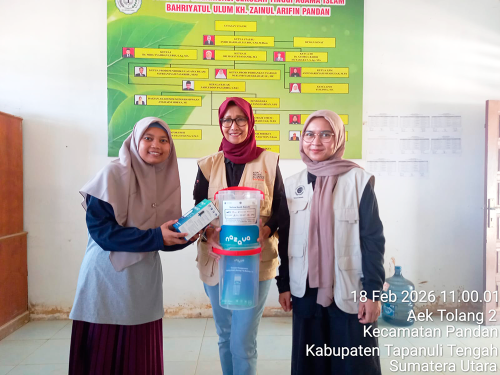
- Water purifiers (500 units) benefiting 7,700 households.
In collaboration with the local health department, distributions were centered around water storage tanks and stations installed by A-PAD Indonesia from December 2025 to January 2026. This initiative provides 7,700 households with reliable access to safe drinking water.
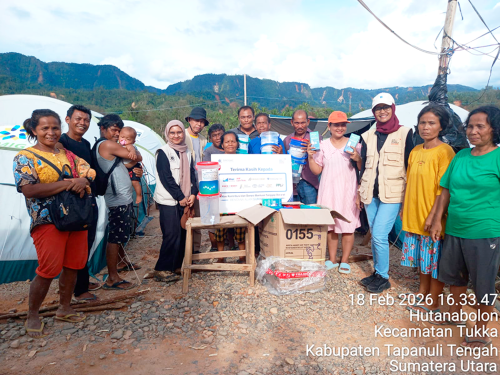
Solar lanterns for 65 households
A-PAD distributed solar lanterns to 65 households to provide essential lighting for families during nighttime and frequent power outages.
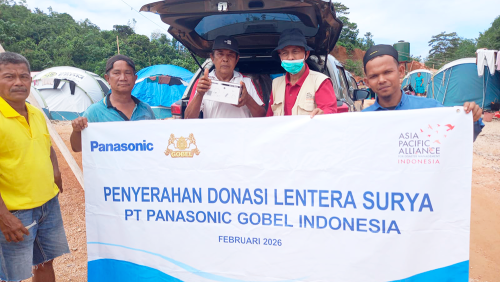
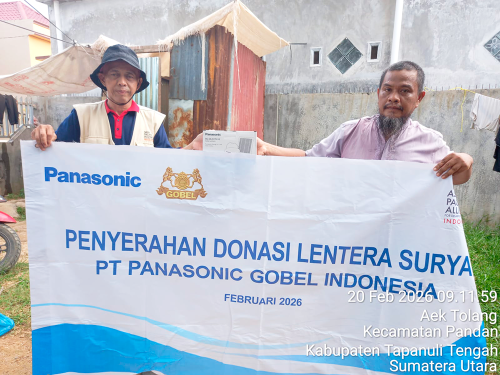
These relief item distributions were made possible by the generous support from our partners:
- – Jakarta Japan Club (JJC) and its corporate members and individuals
- – Indonesia Global Compact Network (IGNC) and its corporate partners
- – PT Panasonic Gobel Indonesia
Since mid-February, persistent heavy rainfall has caused recurring floods across the affected regions. This has significantly disrupted logistics and worsened conditions for residents in evacuation shelters, where mud, sediment, and rising water have inundated temporary tents.
Wisnu Prasadja, A-PAD Indonesia Emergency Assistance Coordinator
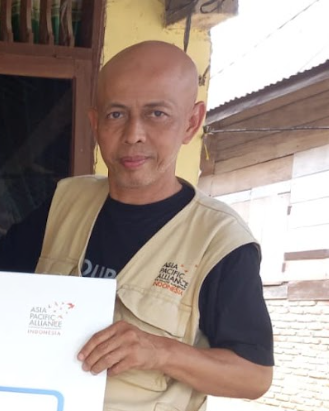
I have been monitoring the situation on the ground since the assessment began last December, and the damage caused by the heavy rains and flooding in Central Tapanuli Regency is extremely severe. The upstream areas near the mountains, in particular, have suffered immense damage, and residents are still in a situation where the path to recovery remains unclear.
This disaster has highlighted the vulnerability of local water supplies, which depend solely on rivers and groundwater. There is an urgent need for the entire region, including local governments, to consider systems for securing sustainable water access even during disasters.
Even 20 years after the 2004 Aceh tsunami, there is still a significant lack of preparedness and disaster preparedness measures to mitigate damage. Moving forward, in addition to the local government re-evaluating residential zones along riverbanks and slopes at risk of landslides, I hope that local residents will deepen their understanding of disaster preparedness and mitigation and actively participate in these activities with a full grasp of their importance.