








【A-PAD Indonesia】 Disaster Risk Reduction – Climate Change Adaptation Forum Regional Leader Interview: West Nusa Tenggara
2026.02.10
As part of the Grant Assistance for Japanese NGO Projects supported by the Ministry of Foreign Affairs of Japan, A-PAD Indonesia established the Disaster Risk Reduction (DRR) – Climate Change Adaptation (CCA) Forum and the team has been working to create disaster-resilient tourism villages.
The forum, based in Bali, West Nusa Tenggara, and East Nusa Tenggara, aims to build resilience in tourism village communities and acts as a multi-stakeholder platform to plan, implement, monitor and evaluate activities to reduce disaster risk and adapt to climate change. At the same time, the forum is contributing to educating and empowering local communities, promoting inter-sectoral collaboration and raising disaster preparedness awareness.
A-PAD spoke with regional leaders from each province to discuss their experiences, reflections on recent activities, and goals for the future.
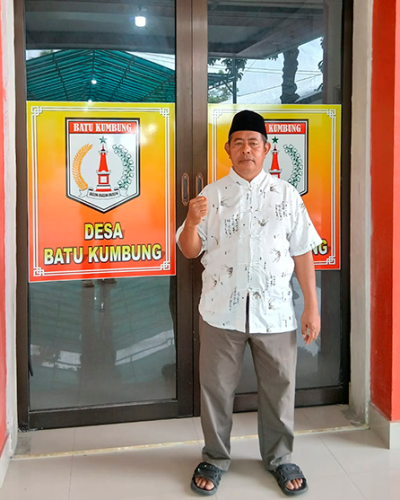
Interview #2: Mr. H. Khaerudin from Batu Kumbung Village, West Nusa Tenggara Province
 Q1-1. Prior to A-PAD’s project, had you ever learned about disaster preparedness at school or elsewhere?
Previously, I completed a first aid training course through the official digital learning platform managed by the Ministry of Health. While the core first aid components were similar to those provided by A-PAD Indonesia, that program focused on the conditions that lead to dengue fever outbreaks, methods for situational assessment, and strategies for implementing and sustaining disaster preparedness initiatives.
Q1-2. Have you participated in a drill exercise before?
While the previous training focused on specific medical conditions, I also participated in practical first aid sessions and simulations for casualty evacuation.
Q2. Which part of the year-long workshop did you find most interesting?
The most impactful part of the A-PAD program was the disaster simulation exercise conducted in Batu Kumburg Village. It provided a vital opportunity to put a year’s worth of theoretical knowledge into practice. Achieving community readiness for evacuation was an invaluable learning milestone for all of us.
Q3. What was the most challenging aspect of the program?
Grasping certain aspects of the educational materials was challenging. In disaster risk management, precise guidance and a clear understanding of objectives are essential to ensure the safety and effectiveness of the response.
Q4. What are your future goals for disaster preparedness in this village?
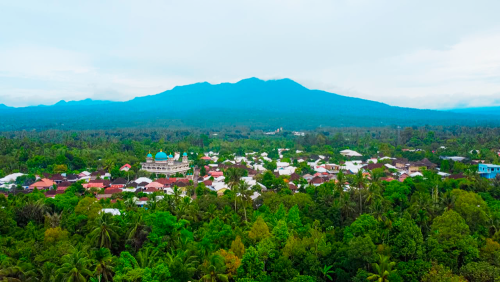
Our goal is to establish ourselves as a tourism village capable of implementing and sustaining our own disaster preparedness initiatives.
Q5. Do you have any additional comments?
We are committed to conducting regular disaster drills to ensure that all residents have widespread access to essential preparedness information and remain ready to respond to emergencies.