








【A-PAD Indonesia】 Disaster Risk Reduction – Climate Change Adaptation Forum Regional Leader Interview: East Nusa Tenggara
2026.02.09
As part of the Grant Assistance for Japanese NGO Projects supported by the Ministry of Foreign Affairs of Japan, A-PAD Indonesia established the Disaster Risk Reduction (DRR) – Climate Change Adaptation (CCA) Forum and the team has been working to create disaster-resilient tourism villages.
The forum, based in Bali, West Nusa Tenggara, and East Nusa Tenggara, aims to build resilience in tourism village communities and acts as a multi-stakeholder platform to plan, implement, monitor and evaluate activities to reduce disaster risk and adapt to climate change. At the same time, the forum is contributing to educating and empowering local communities, promoting inter-sectoral collaboration and raising disaster preparedness awareness.
A-PAD spoke with regional leaders from each province to discuss their experiences, reflections on recent activities, and goals for the future.
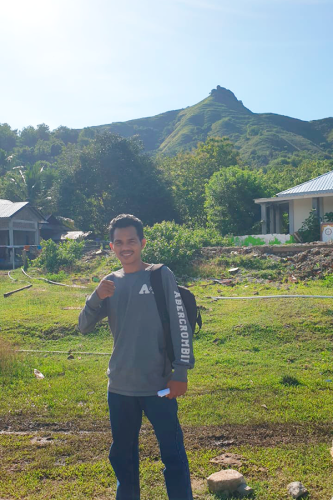
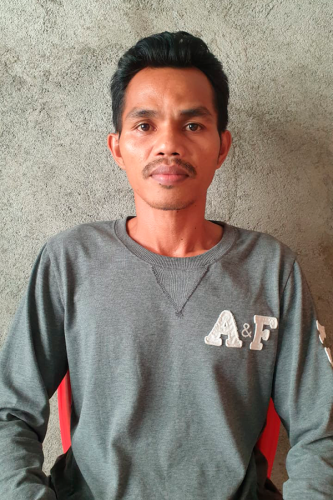
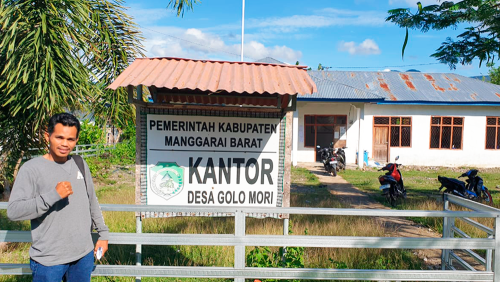
Interview #1: Mr. Safar from Golo Mori Village in East nusa Tenggara Province
Q1. Prior to A-PAD’s project, had you ever learned about disaster preparedness at school or elsewhere?
Before A-PAD Indonesia introduced its program to Golo Mori Village, I had never received any formal education or training regarding disaster risk reduction.
Q2. Which part of the year-long workshop did you find most interesting?
What I found most compelling is how A-PAD’s activities are inclusive of all community members – children, the elderly, and people with disabilities. This comprehensive approach to community involvement was truly remarkable.
Q3. What was the most challenging aspect of the program?
Since everything was new to me, the entire process was challenging. However, the practical exercises such as evacuation drills and first aid were the most thought-provoking. Even though we had prepared scenarios and felt we understood the theory, the actual simulation was different. I found myself repeating instructions and struggling to communicate effectively in the heat of the moment. It was a powerful lesson in the difference between theoretical knowledge and real-world application.
Q4. What are your future goals for disaster preparedness in this village?
Our village still faces many challenges, particularly a lack of awareness within the broader community. Whether this stems from our current organizational structure or a lack of shared purpose remains to be seen, but it was a significant obstacle we encountered this year. I hope to deepen our collaboration with the local government and the Regional Disaster Management Agency (BPBD) to ensure that the DRR activities initiated by A-PAD become sustainable, long-term fixtures in Golo Mori.
Q5. Do you have any additional comments?
As the leader of the Golo Mori Village Forum, I hope our members remain motivated and that we continue to receive support and coordination from the village government, local authorities, and A-PAD. My ultimate wish is for our future activities to proceed smoothly, improving Golo Mori’s safety and transforming it into a resilient, disaster-ready tourism destination.