








【A-PAD Indonesia】 Exhibition Meeting Highlighting Disaster-Resilient Tourist Villages and Hotel Disaster Preparedness Certification System
2025.12.11
On December 4, 2025, A-PAD Indonesia held an exhibition meeting in Bali to mark the final stage of the FY2024 Japan NGO Collaboration Grant Assistance Cooperation Project.
The event brought together village leaders and disaster preparedness experts from three key provinces to share best practices and lessons learned over the past year. The event focused on building sustainable, resilient communities that prioritize safety as a core component of tourism.
– Eriko Nakano, Deputy Consul, Consulate General of Japan in Denpasar
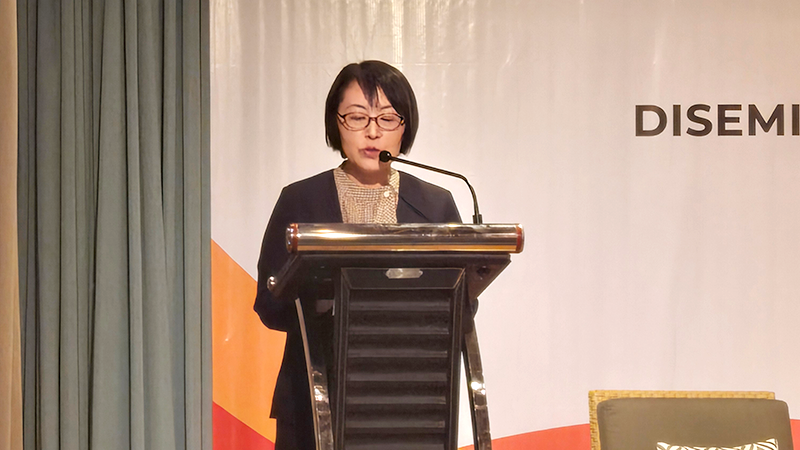
Eriko Nakano offered her condolences to the victims of the Sumatra heavy rain disaster and hoped for a speedy recovery for the affected areas, and expressed her gratitude to A-PAD Indonesia for its contributions to improving disaster response capabilities in the tourism industry since 2020. Nakano also expressed hope that A-PAD Indonesia will continue to contribute to strengthening disaster resilience in Bali, which is visited by many tourists, including Japanese tourists.
– Fadjar Hutomo, Expert Staff in the Field of Crisis Management, Ministry of Tourism, Republic of Indonesia
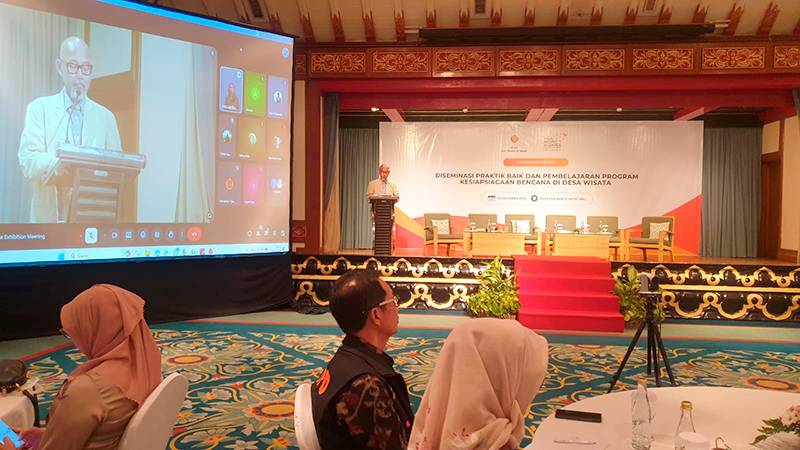
Fadjar Hutomo expressed his condolences to the victims of the floods in Sumatra and expressed his gratitude for the activities of A-PAD Indonesia that have been supported by the Japanese government. Hutomo also emphasized the importance of the Pentahelix Collaboration* in disaster prevention for the tourism industry, and stated that the roadmap for A-PAD Indonesia’s disaster prevention projects and the empowerment of local residents (capacity building) are key to disaster response.
*Penta-Helix: A model in which five major stakeholders – government, academia, business, community, and media – work together to promote sustainability in the tourism industry and regional development. This model is considered particularly important for post-pandemic recovery and innovation in the tourism sector.
– Ida Bagus Gede Widnyana Putra, Head of Prevention and Preparedness of the Bali Province BPBD
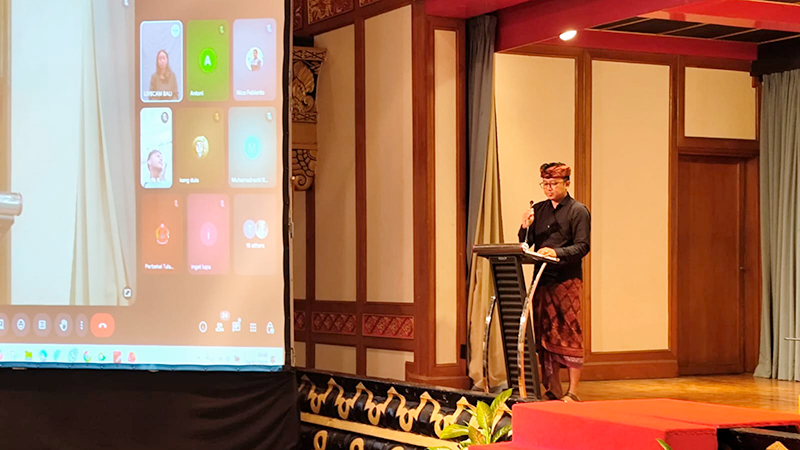
Ida Bagus Gede Widnyana Putra expressed his condolences to the victims of the floods in Sumatra and his gratitude for the Japanese government’s support for disaster prevention and mitigation in the Bali tourism industry through A-PAD Indonesia. Putra also mentioned that the Hotel Disaster Preparedness Certification Program (the predecessor of the current program), which has been implemented since 2014 by the private sector, government, and residents, is a tourism disaster preparedness initiative that originated in Bali. He expressed hope that it will be disseminated and promoted to the current 263 tourist villages in Bali, strengthening local self-help disaster preparedness measures.
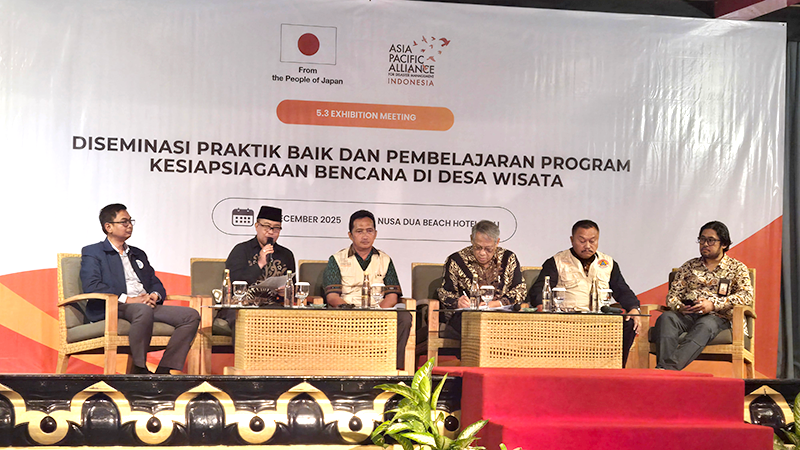
Session 1: Disaster-Resilient Tourism Villages
Three model villages gave presentations introducing their villages and sharing examples of their efforts over the past year.
<West Nusa Tenggara (NTB) Province>
Batu Kumbung Village is one of 60 tourism villages designated by the Lombok government and has been participating in the Tourism Village Contest since 2021. A-PAD Indonesia’s “Disaster-Resilient Tourism Village” project strengthens local capacity and the competitiveness of tourism villages by building resilience.
<East Nusa Tenggara (NTT) Province>
Following significant infrastructure improvements, including a new pier and heliport, the village has pivoted toward becoming a world-class destination. Over the last year, disaster preparedness has become a central pillar of its community-led development strategy.
<Bali Province>
To address risks from tsunamis, volcanic eruptions, and floods, the local program prioritized mitigation planning and community-wide emergency simulations.
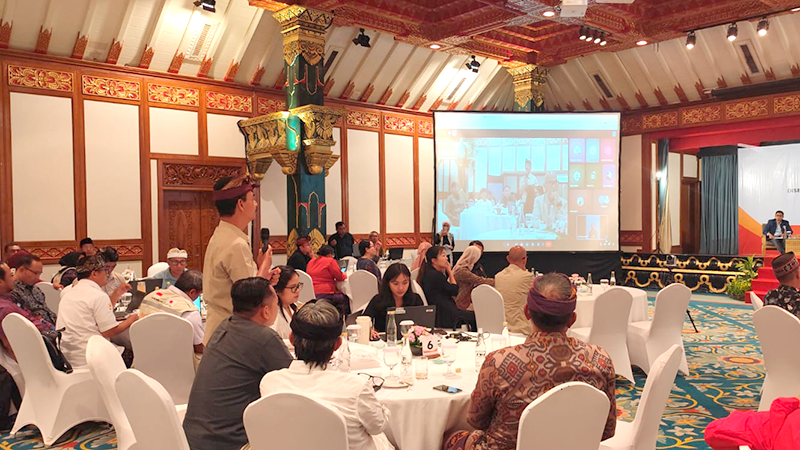
In this session, participants shared future perspectives for establishing sustainable tourism resilience, reaffirming their common understanding of the importance of avoiding land conversion for tourism development that damages natural functions (e.g., water-retaining areas) and utilizing the development of disaster preparedness systems as a tourism attraction (perceptions of safety and comfort increase visitor interest).
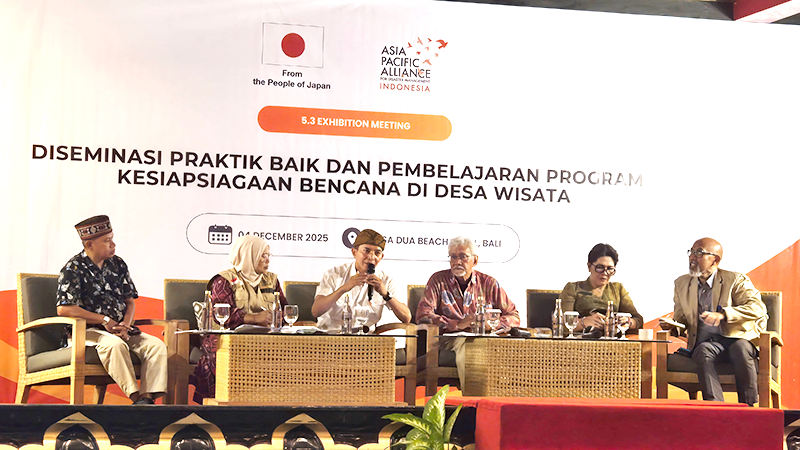
Session 2: Hotel Disaster Preparedness Certification System
<Bali Province>
With the aim of preparing accommodation facilities as much as possible before a disaster occurs, the verification involves the provincial disaster preparedness agency, tourism agency, health agency, and public works and housing agency. Future expansion will require consideration of comprehensive benefits for all stakeholders.
<West Nusa Tenggara (NTB) Province>
Verifying disaster-resilient hotels requires collaboration among all stakeholders. NTB Province officially issued a decision to establish a verification team in 2024.
<East Nusa Tenggara (NTT) Province>
As a national priority tourist destination, the province faces risks from disasters such as floods, flash floods, extreme weather, tsunamis, and landslides. The focus is on the quality of the inspections, not the quantity, and strengthening management elements remains necessary.
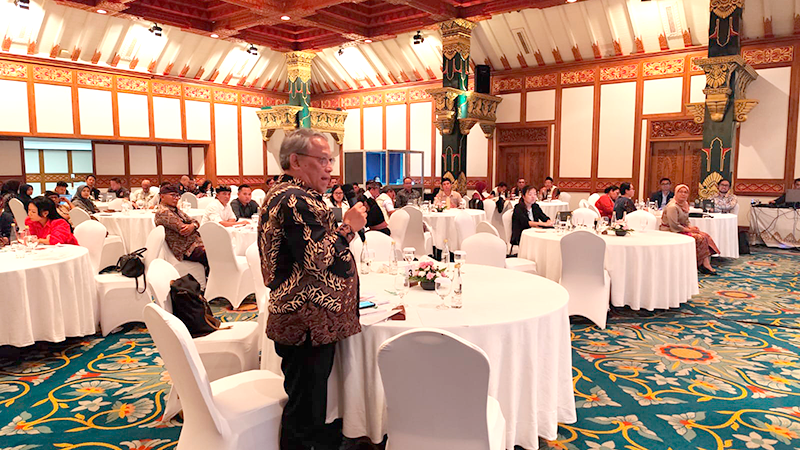
The hotel disaster preparedness certification scheme should create demand pressure so that certified hotels become the preferred choice for tourists. Incentives (promotions/priority access) should be created, such as by promoting certified hotels to the travel sector/preferentially listing them on online platforms, so that the hotel disaster preparedness certification scheme becomes an added value/benefit for accommodation facilities.
At the opening ceremony, A-PAD Indonesia’s Executive Director Shinta Kaniawati introduced A-PAD and their activities for the year, explained the purpose of the exhibition meeting, and expressed her strong hope that the model village project will be expanded to other regions as a success story, thereby increasing the resilience of tourist destinations. She also expressed her gratitude to the local residents, stakeholders, and attendees of the project site.
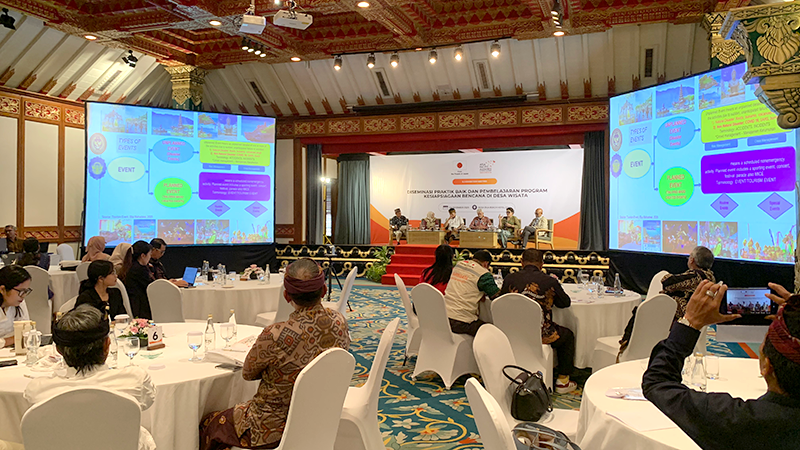
Through these two sessions, participants shared case studies and know-how from each region, as well as future challenges and prospects. All parties involved will utilize the knowledge gained through this project to work hard to strengthen disaster resilience in Indonesia’s tourism industry.
▼ This meeting was featured on the official website of Airlangga University
Dr. Hariyono S.Kep.Ns., M.Kes., a professor at the university, participated in the meeting as a resource person and delivered a lecture on strengthening the connections between on-the-ground practices and broader policy frameworks.